
Palliative care for patients with (COPD) – an essential unmet need
– Dr. Rajani Bhat, Bengaluru
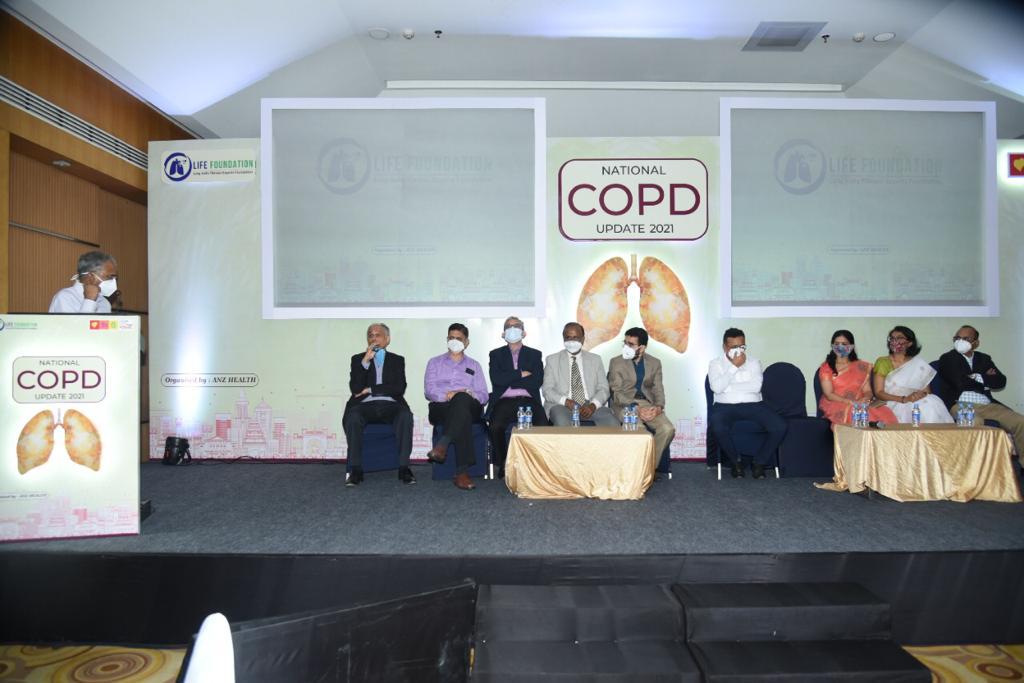
November 17th is observed as World COPD Day around the world in over 50 countries. Clinicians, research professionals and patient advocacy groups come together to raise awareness about Chronic Obstructive Pulmonary Disease (COPD). The Global Initiative for Chronic Obstructive Lung Disease (GOLD) launched the program in 2002 for knowledge-sharing and to bring together global efforts to address the burden on patients, caregivers and communities. This year’s theme, ‘Healthy Lungs- Never More Important’, is an urgent call to action as the global health community acknowledges the threat of a pandemic on the background of a vast burden of under-treated COPD.
COPD is the 2nd most common cause of death related to non-communicable diseases in India. The rate of disability adjusted life years in India is 1.7X times higher than the global average. The health care challenges start from the lack of robust preventive policies addressing risk factors like smoking, air pollution and biomass fuel exposure or use of masks in occupations with high-risk exposure, delays in diagnosis, inappropriate or inadequate pharmacological treatment, lack of education about symptom control and palliative care needs of patients with COPD among family physicians, internists and specialists, and go on to poor end-of-life-care.
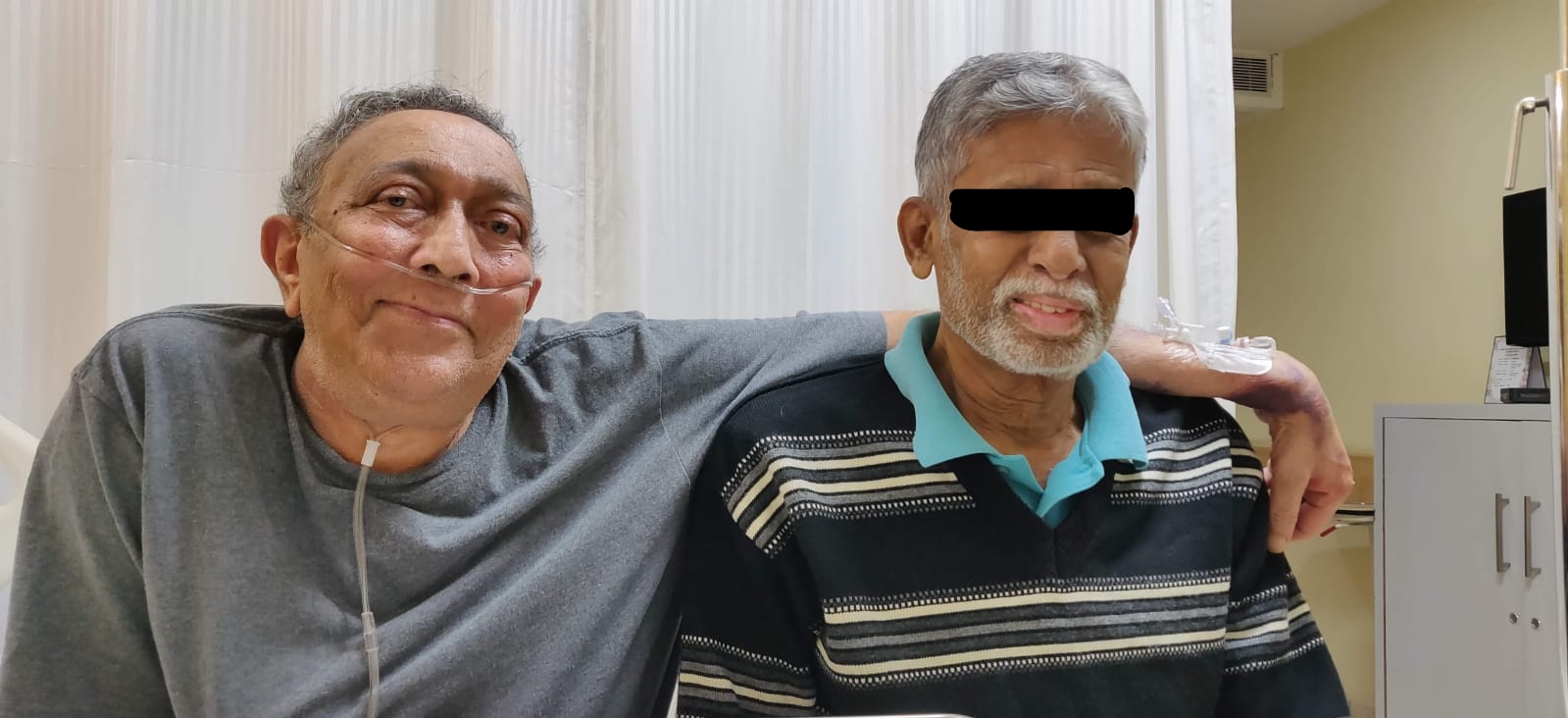
Unlike cancer, a diagnosis which immediately evokes compassion and support, the suffering in COPD remains largely invisible in public consciousness. COPD patients suffer from a myriad of symptoms – primarily chronic progressive breathlessness, but also cough, fatigue, pain, depression, anxiety, sleep disturbances, constipation, sexual dysfunction, anorexia and weight loss. Patients endure these symptoms for a prolonged time, sometimes lasting more than a decade, as the disease advances. For some patients, there is the added stigma of shame and blame of a disease brought on by smoking. In India, non-smokers make up a large percentage of patients.
Studies in countries with comprehensive national healthcare programs reveal that patients with advanced COPD do not receive timely palliative care referrals or prescriptions for medications for pain, anxiety, depression and sleep disturbance. Patients with COPD and concurrent cancer receive better palliative care than those with COPD alone. Patients with COPD are also more likely to receive invasive treatments and be ventilated at the end-of-life despite death being anticipated, than those with advanced cancer. They are also more likely die in a hospital rather than at home. Primary caregivers of COPD patients have to adapt their lives drastically and are at increased risk for chronic physical and mental health ailments. While palliative care access for patients with cancer is improving nation-wide, we need to make greater efforts to ensure that patients with other progressive non-communicable diseases like COPD aren’t left behind.
COPD is a disease that is often accompanied by co-morbidities such as heart disease, peripheral vascular disease, obstructive sleep apnea, pulmonary hypertension, diabetes, osteoporosis, gastro-esophageal reflux disease. The downside of the pathophysiology of these co-morbidities is a misguided opiophobia among clinicians. Newer treatment modalities with endoscopic and surgical lung volume reduction and lung transplant are available to very few patients.
Chronic refractory breathlessness requires a multi-disciplinary approach with the patient and caregiver at the centre. Pulmonary rehabilitation, breathlessness support services, psychologist or social worker support, mindfulness or cognitive behavioural therapy are all required in a timely manner. Models of community volunteer-based, breathlessness support services, have shown benefits but are not widely adopted. Though benefits and safety of low-dose morphine for refractory breathlessness has been demonstrated in various studies, opiophobia among clinicians as well as patients remains a barrier to its appropriate use in alleviating breathlessness. Concerns about increased carbon dioxide and retention or drowsiness are not substantiated in practice with appropriate low dose morphine titrated gradually to achieve relief of breathlessness. In the absence of specialised facilities, teaching patients simple measures like a hand-held fan, posture, pacing and breathing techniques can help relieve breathlessness. Pain is under-evaluated and under-treated in patients with COPD, as are anxiety and depression. In the last few years, our understanding of the multi-factorial etiology of musculoskeletal pain and chest discomfort in patients with COPD has improved and we can support our patients much better.
The lived experience of the patient with declining health due to COPD is one of worsening breathlessness, limited mobility, oxygen dependence, increasing isolation, loss of social function, low self-esteem, financial burden. This adds up to a high level of psycho-social and spiritual suffering, both for the patient and the caregiver. It is therefore important to push for the early integration of palliative care for all patients with COPD with palliative care needs considering the large burden of disease in our country.
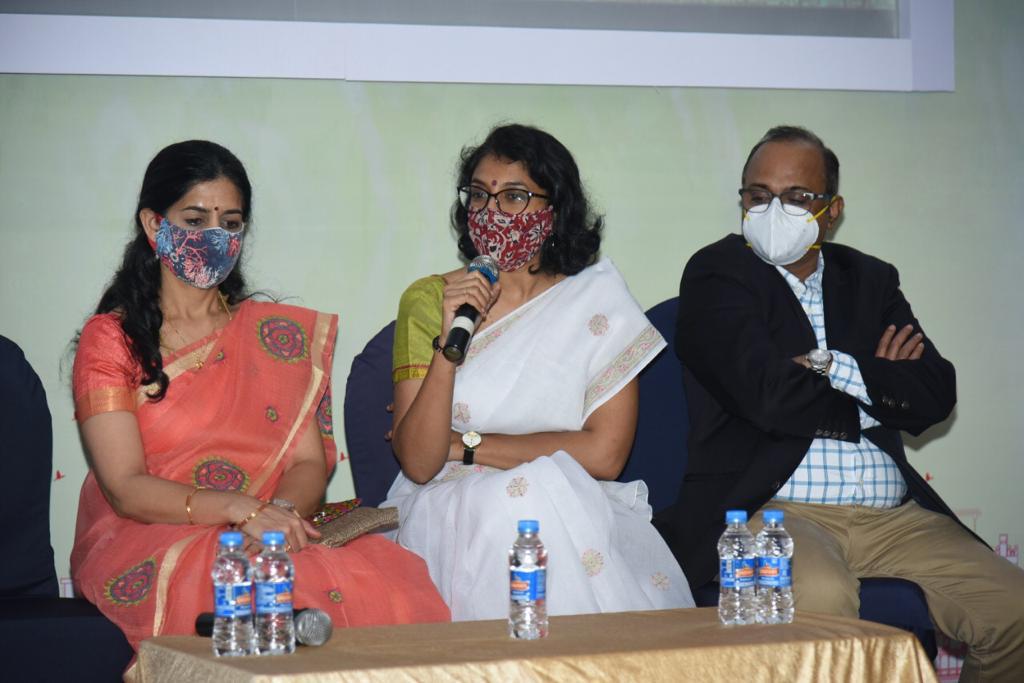
Training primary physicians and pulmonologists in a palliative care approach to patients with COPD, early identification and referral of patients with complex symptoms, sensitive patient-centred value-based communication about prognosis, advance directives and end-of-life care decisions has been recognised as a global need in medical education. Advocates for this approach are using social media platforms like Twitter with the #pallipulm as the tag to coalesce efforts.
November 2021 saw the largest global meeting on climate change in Glasgow. The medical community is aware of the threat to lung health with environmental pollution. It has been ‘Never More Important’ to come together as complementary collaborating specialities to address the health-related suffering of patients with chronic lung disease in our communities. The time to act is now!

About the Author: Dr. Rajani Surendar Bhat is a physician and interventional pulmonologist. She is an elected member of the governing council of the Indian Association of Bronchology. She is interested chronic refractory breathlessness and palliative medicine for chronic progressive end-organ failure. She has completed her NFPM training and is practising in Bangalore.